
Mortal Kombat II (2026) Review: Brutal, Chaotic, and Surprisingly Fun
Story by Shakirra Torain & Torain Media Group
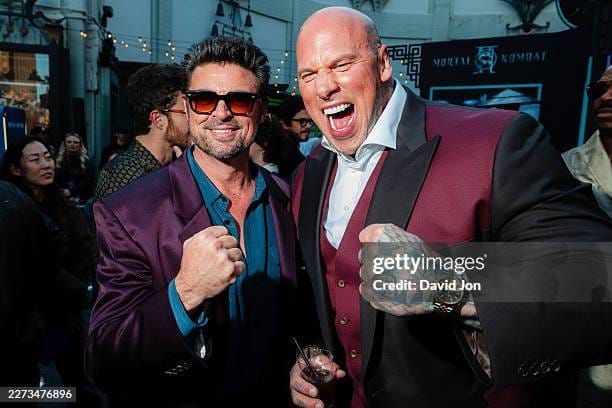
The arena is finally open.
After years of anticipation following the 2021 reboot, Mortal Kombat II arrives with bigger fights, bloodier fatalities, and a far deeper embrace of the video game franchise’s over-the-top mythology. Directed once again by Simon McQuoid, the sequel wastes little time giving fans exactly what they wanted the first time around: the actual tournament, iconic characters, and unapologetic chaos.
And for the most part, it works.
The film throws audiences directly into the conflict between Earthrealm and Outworld as Shao Kahn prepares for war. Returning fighters like Liu Kang, Sonya Blade, Jax, Scorpion, and Raiden are joined by franchise favorites including Kitana, Baraka, Jade, and perhaps most importantly, Johnny Cage — played with reckless charisma by Karl Urban. Urban’s performance ends up becoming one of the film’s strongest weapons. His version of Johnny Cage feels like a washed-up Hollywood action star trying to rediscover relevance while accidentally stumbling into interdimensional warfare. It’s ridiculous, self-aware, and entertaining enough to carry many of the movie’s weaker narrative moments. Critics and audiences alike have highlighted Cage as a standout addition to the franchise.
Where Mortal Kombat II succeeds most is in understanding its audience. The movie never pretends to be elevated cinema. Instead, it leans fully into the absurdity of the games: impossible martial arts, grotesque fatalities, magical realms, and nonstop fan service. The result is a movie that often feels less like a traditional Hollywood blockbuster and more like a live-action arcade cabinet exploding on screen.
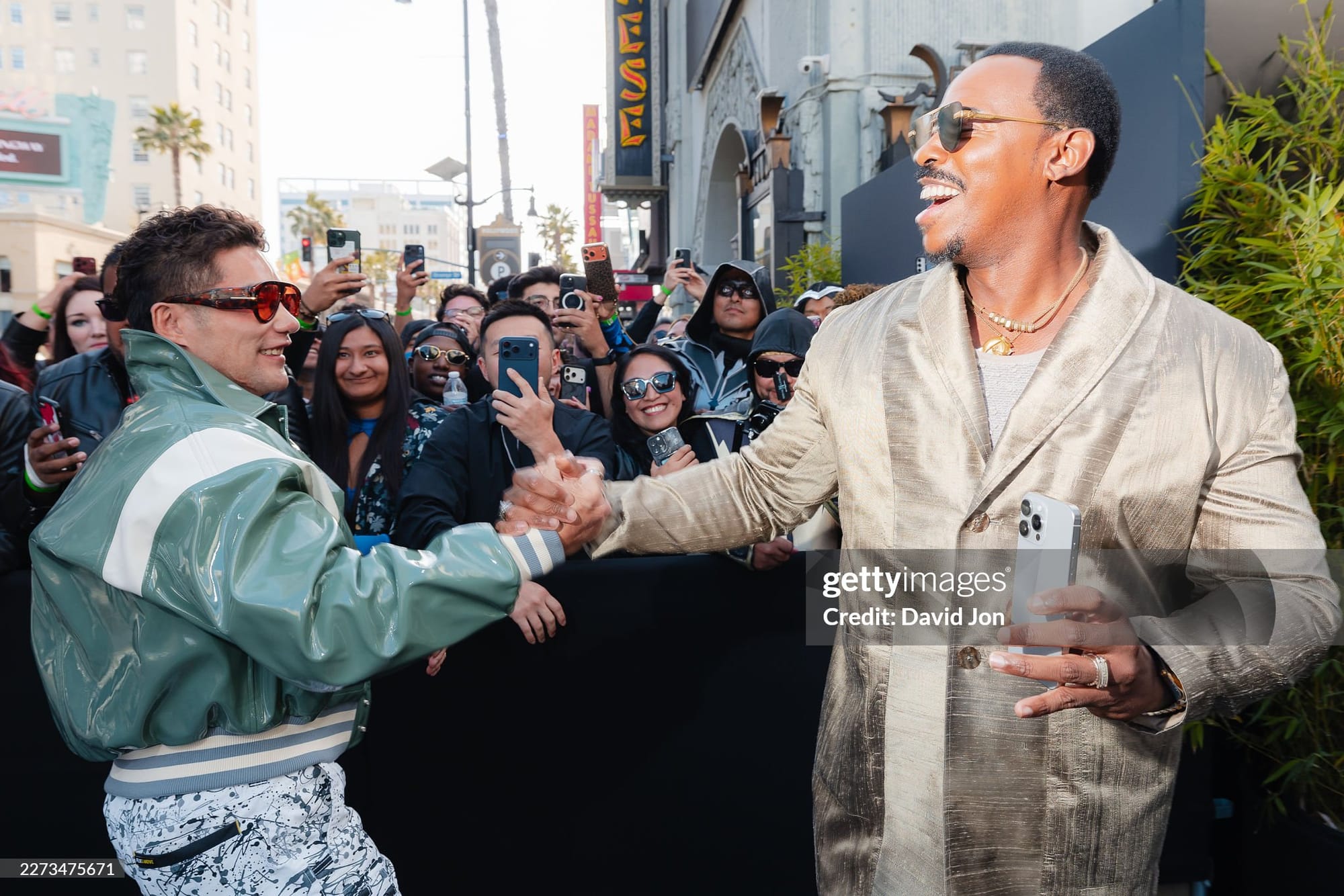
The action sequences are undeniably larger and more creative than the first film. Fatalities are brutal, visually inventive, and gloriously excessive. Several reviewers praised the sequel for embracing the franchise’s signature violence and game-inspired spectacle while improving on the scale and pacing of the 2021 reboot.
Longtime fans will especially appreciate how much closer this sequel feels to the source material. The tournament structure finally takes center stage, and beloved characters receive more screen time and personality than before. Reddit reactions from fans described the movie as “pure fan service” and “one of the best adaptations of a game,” even while acknowledging its flaws. But the film is far from flawless.
The screenplay often feels stitched together between fight scenes, sacrificing emotional depth for spectacle. Dialogue swings wildly between campy fun and outright cringe, and some story developments involving Liu Kang and the larger mythology feel rushed or underexplained. Several critics pointed out that while the action improves dramatically, the writing still struggles with coherence and meaningful stakes.
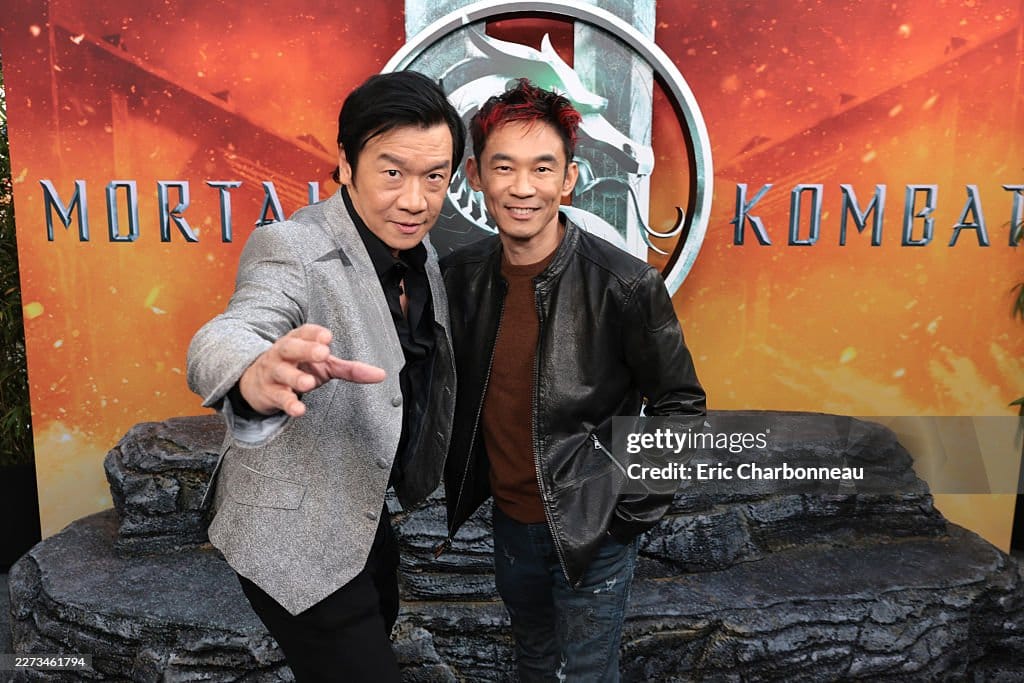
At times, Mortal Kombat II resembles a highlight reel more than a fully developed film. Characters appear and disappear rapidly, motivations shift without enough buildup, and the pacing occasionally feels overwhelming. Casual viewers unfamiliar with the games may find themselves lost beneath the avalanche of lore, callbacks, and Easter eggs.
Still, the movie earns points simply for commitment. Unlike many video game adaptations that soften or dilute their identity for mainstream audiences, Mortal Kombat II goes in the opposite direction. It doubles down on the insanity, embraces its fanbase, and delivers a spectacle that feels unapologetically designed for gamers. And honestly, that may be exactly why it works.
The film will not convert skeptics who already dislike the franchise’s style of storytelling. But for longtime Mortal Kombat fans, this sequel feels much closer to the cinematic experience they’ve wanted for decades. It is messy, loud, violent, and completely excessive — which, in a strange way, makes it one of the most authentic video game movies in recent memory.
It may not be a flawless victory.
But it is definitely a satisfying one.
Comments ()